01 / Look at what we leave behind
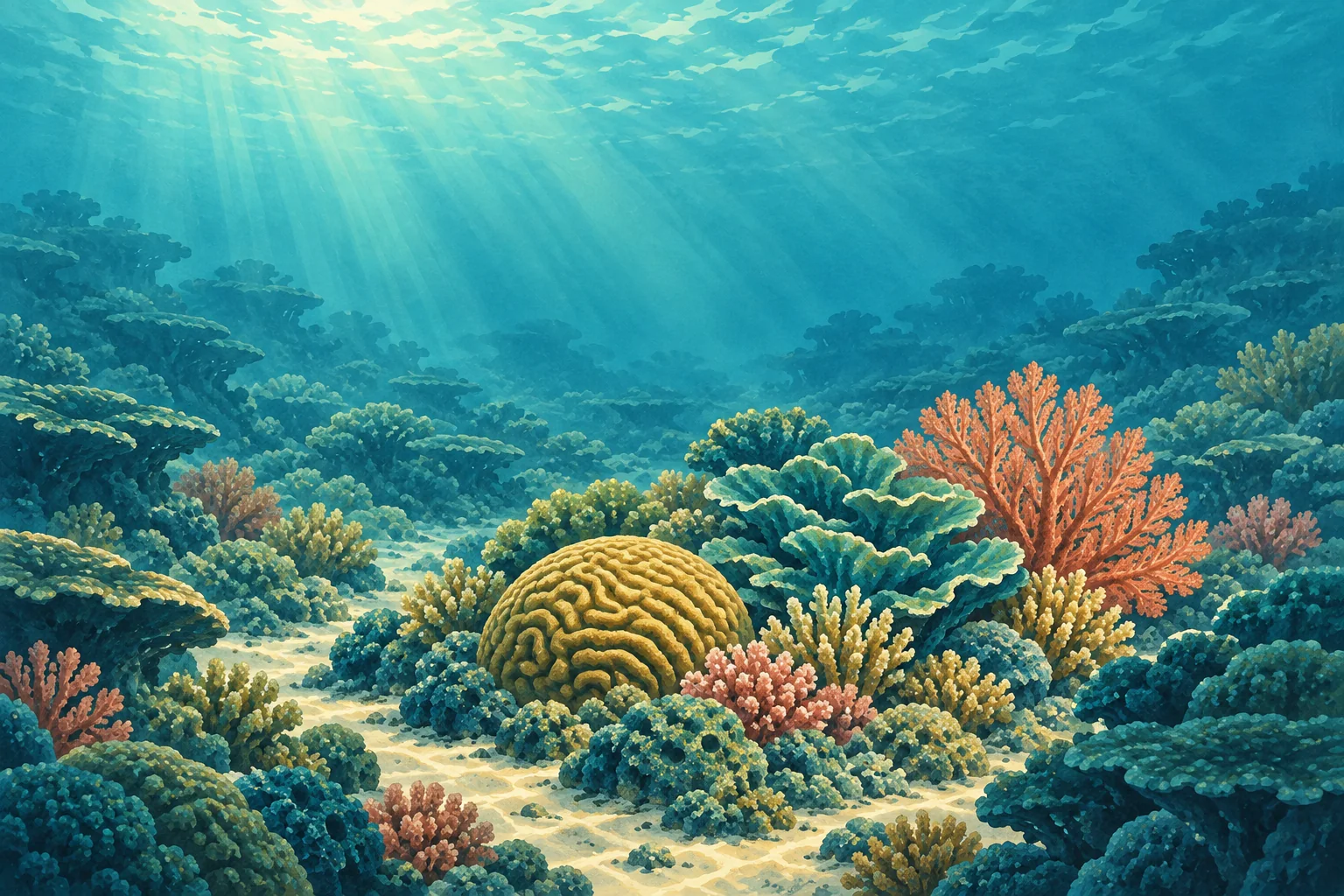
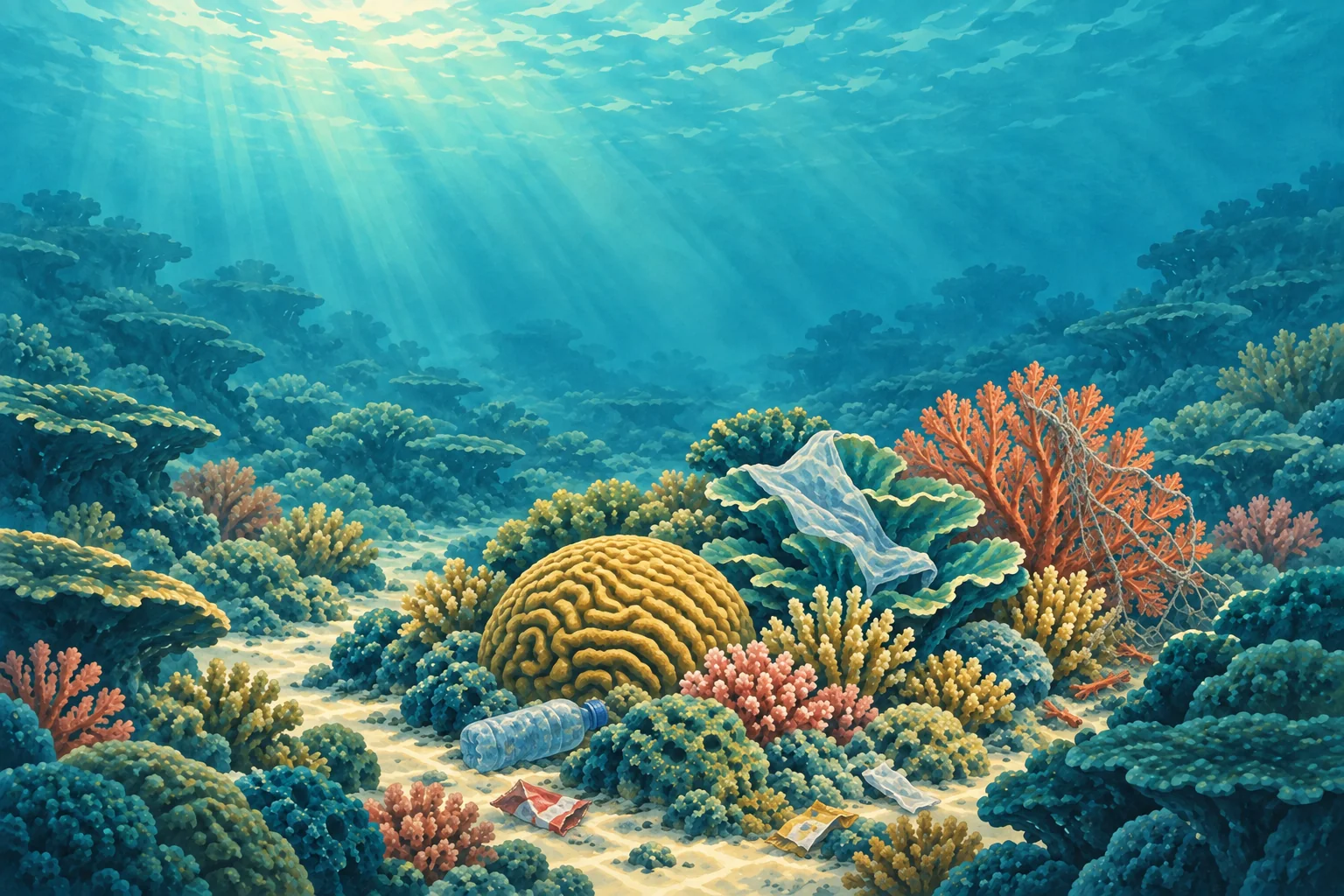
One reef.
Two possibilities.
The same reef, with and without marine litter.
Two illustrated scenarios
Drag the handle or use the slider.
02 / Understand the impact
More than
an eyesore.
Plastic bags and lost fishing gear can cover, crush or break corals. Damage can take a long time to recover from.
Litter is one pressure on our reefs. Heat and sediment also affect corals. Reducing litter helps; recovery needs lasting care.
Read the NOAA guide Explore local pressures with NUS03 / Start above the surface
Take your litter home.
A snack wrapper. A drink bottle.
After a day by the sea, take yours with you.
A small choice for your next day by the sea.
You can also join an organised beach cleanup. When visiting a reef, look closely without touching the coral.
More ways to careKeep the connection local
A small start.
A longer story.
Coral restoration takes ongoing care. Explore WWF-Singapore's work around our southern islands and discover how local reefs are being restored.
Explore local coral restorationProject information from WWF-Singapore.
With What the Reef!
A whole world.
Worth caring for.
Sources & image notes
Two illustrated scenarios.
These AI-generated illustrations show the presence and absence of marine litter. They do not document a before-and-after event or measure reef health.
The information above draws on the NOAA Marine Debris Program and NOAA's guide to caring for reefs.